

Hey there! As a supplier of Resin Art Keyring, I often get asked if it's possible to make resin art keyrings with glow-in-the-dark powder. Well, the short answer is yes, you absolutely can! And in this blog post, I'm gonna walk you through the process, share some tips and tricks, and show you why these keyrings are a total game-changer.
What is Glow-in-the-Dark Powder?
First things first, let's talk about what glow-in-the-dark powder actually is. Glow-in-the-dark powder, also known as phosphorescent powder, is a special type of powder that absorbs light and then emits it slowly over time. This creates a cool glowing effect that can last for several hours, even in the dark.
There are different types of glow-in-the-dark powders available on the market, but the most common ones are made from strontium aluminate. These powders are non-toxic, long-lasting, and come in a variety of colors, including green, blue, and purple.
Why Use Glow-in-the-Dark Powder in Resin Art Keyrings?
Now that you know what glow-in-the-dark powder is, let's talk about why you might want to use it in your resin art keyrings. Here are a few reasons:
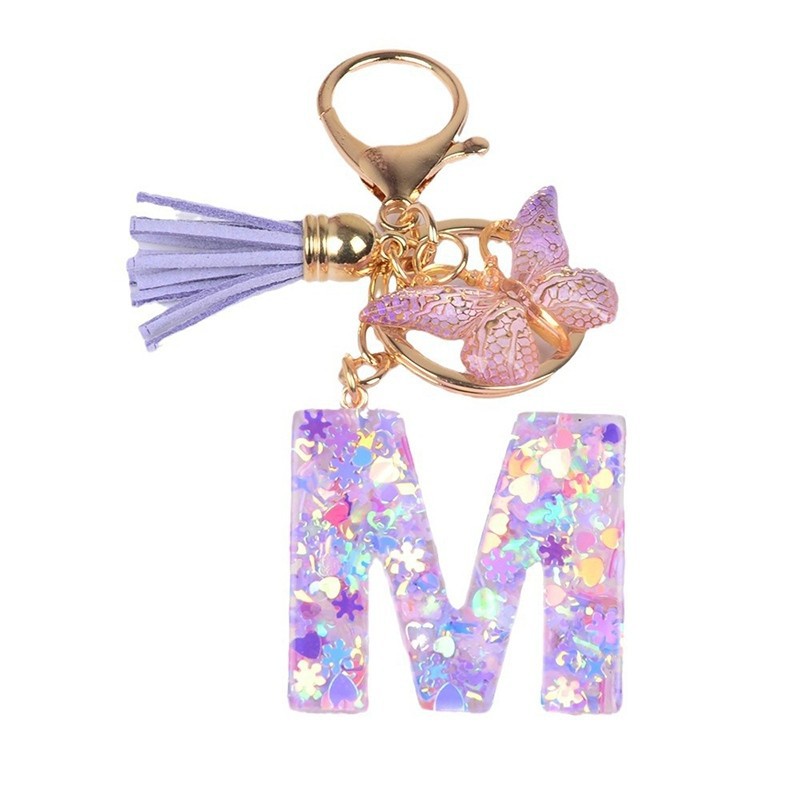
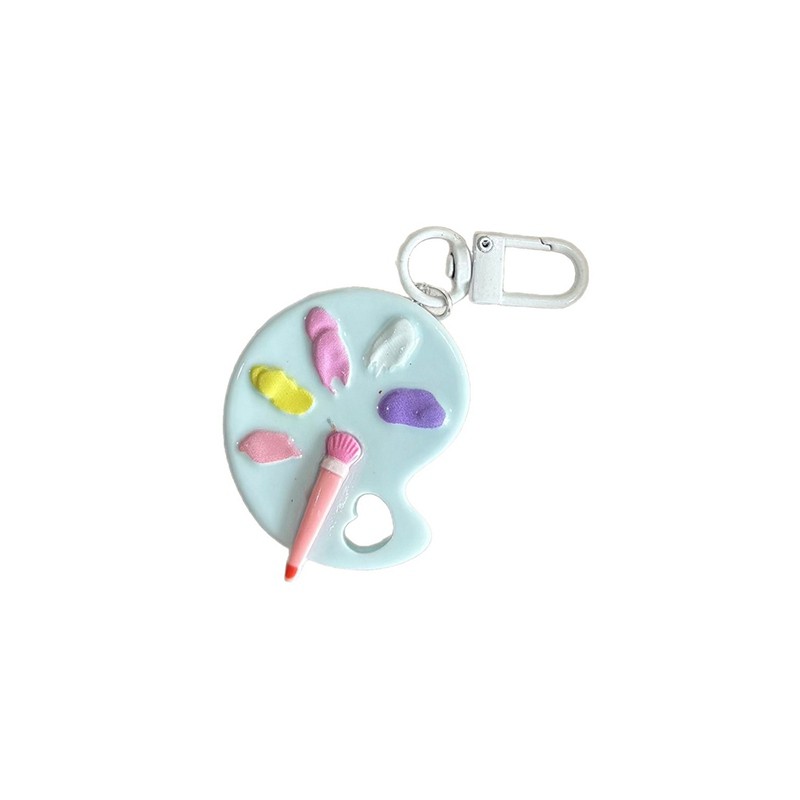
- Unique and Eye-Catching: Glow-in-the-dark keyrings are definitely a conversation starter. They add a fun and unexpected element to your resin art, making it stand out from the crowd.
- Practical and Functional: Not only are glow-in-the-dark keyrings cool to look at, but they're also practical. They can help you find your keys in the dark, which is especially useful if you're fumbling around in your purse or pocket.
- Customizable: Glow-in-the-dark powder comes in a variety of colors, so you can customize your keyrings to match your personal style or brand. You can also mix different colors together to create your own unique glow effect.
How to Make Resin Art Keyrings with Glow-in-the-Dark Powder
Now that you're convinced that glow-in-the-dark keyrings are awesome, let's talk about how to make them. Here's a step-by-step guide:
Step 1: Gather Your Supplies
- Resin and hardener
- Glow-in-the-dark powder
- Keyring blanks
- Silicone molds
- Measuring cups and stir sticks
- Disposable gloves
- UV light (optional)
Step 2: Prepare Your Resin
- Follow the instructions on your resin kit to mix the resin and hardener together. Make sure to mix them thoroughly for at least 2-3 minutes.
- Once the resin is mixed, let it sit for a few minutes to allow any air bubbles to rise to the surface. You can use a heat gun or a torch to pop any remaining bubbles.
Step 3: Add the Glow-in-the-Dark Powder
- Start by adding a small amount of glow-in-the-dark powder to your resin. You can start with about 1/4 teaspoon per ounce of resin and adjust the amount based on how bright you want the glow to be.
- Use a stir stick to mix the powder into the resin until it's evenly distributed. Make sure to scrape the sides and bottom of the measuring cup to ensure that all the powder is mixed in.
Step 4: Pour the Resin into the Molds
- Carefully pour the resin into your silicone molds. Make sure to fill the molds to the top, but don't overfill them.
- Tap the molds gently on the table to remove any air bubbles. You can also use a toothpick or a skewer to pop any remaining bubbles.
Step 5: Let the Resin Cure
- Let the resin cure for the recommended amount of time, which is usually 24-48 hours. Make sure to keep the molds in a cool, dry place away from direct sunlight.
- If you're using a UV resin, you can use a UV light to cure the resin faster. Follow the instructions on your UV resin kit for the recommended curing time.
Step 6: Remove the Keyrings from the Molds
- Once the resin is fully cured, carefully remove the keyrings from the molds. You can use a pair of tweezers or a small knife to help you remove the keyrings.
- Sand the edges of the keyrings with fine-grit sandpaper to smooth them out. You can also use a polishing cloth to give the keyrings a shiny finish.
Step 7: Attach the Keyrings
- Use a jump ring to attach the keyrings to the keyring blanks. Make sure to close the jump ring securely to prevent the keyrings from falling off.
Tips and Tricks
Here are a few tips and tricks to help you make the best glow-in-the-dark resin art keyrings:
- Use a High-Quality Glow-in-the-Dark Powder: Not all glow-in-the-dark powders are created equal. Make sure to use a high-quality powder that will give you a bright and long-lasting glow.
- Mix the Powder Thoroughly: It's important to mix the glow-in-the-dark powder thoroughly into the resin to ensure that the glow is evenly distributed. Use a stir stick to mix the powder for at least 2-3 minutes.
- Let the Resin Cure Completely: Make sure to let the resin cure completely before removing the keyrings from the molds. This will ensure that the keyrings are strong and durable.
- Store the Keyrings in a Dark Place: To keep the glow-in-the-dark effect at its best, store the keyrings in a dark place when they're not in use. This will allow the powder to absorb more light and emit a brighter glow.
Other Types of Resin Keychains
In addition to glow-in-the-dark keyrings, we also offer a variety of other types of Resin Glitter Keychain and Resin Personalized Keychain. Here are a few examples:
- Resin Glitter Keychains: These keychains are filled with glitter and other decorative elements, giving them a sparkly and eye-catching look.
- Resin Personalized Keychains: These keychains can be customized with your name, initials, or a special message. They make a great gift for friends, family, or colleagues.
Conclusion
So, there you have it! You can definitely make resin art keyrings with glow-in-the-dark powder, and they're a lot of fun to make. Whether you're looking for a unique and eye-catching gift or you want to add a little something special to your own keychain collection, glow-in-the-dark keyrings are a great option.
If you're interested in purchasing resin art keyrings or have any questions about our products, please don't hesitate to contact us. We'd be happy to help you find the perfect keychain for your needs.
References
- "Glow-in-the-Dark Powder." Wikipedia. Accessed [Date].
- "Resin Art Keyrings." [Website Name]. Accessed [Date].
